

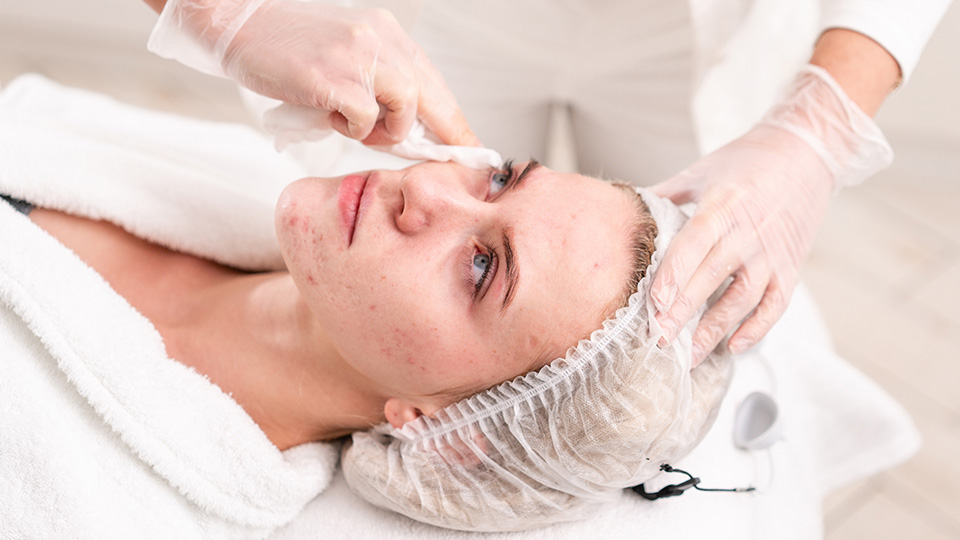
Acne is one of the most common skin concerns, affecting teenagers and adults alike. While an occasional pimple may disappear on its own, persistent acne, painful breakouts, and recurring pimples may require proper dermatological care.
The good news is that acne can often be managed with the right approach. Understanding the cause of your acne and choosing an appropriate acne treatment can help control breakouts and reduce the risk of acne marks and scars.
Tired of Acne Coming Back Again and Again?
You cleanse your face, try a new cream, avoid certain foods, and still wake up to another breakout.
Acne can be frustrating, especially when it keeps appearing in the same areas or leaves behind dark spots after the pimple disappears. For some people, acne can also affect confidence and make them uncomfortable in social situations.
But acne isn’t simply a result of having “dirty skin.” It can develop due to excess oil production, clogged pores, hormonal changes, inflammation, genetics, and other factors.
Instead of repeatedly trying random products, finding out what is causing your acne can help you choose a more suitable treatment.
What Causes Acne?
Acne develops when hair follicles become blocked with oil and dead skin cells. Inflammation and changes in the microorganisms living on the skin can further contribute to breakouts.
Some common factors associated with acne include:
- Excess oil production
- Clogged pores
- Hormonal fluctuations
- Family history of acne
- Stress
- Certain medications
- Oily or unsuitable skincare products
- Friction and irritation
- Some underlying hormonal conditions
Different Types of Acne
Acne can appear in different forms, and not every type should be treated in exactly the same way.
Whiteheads: Small bumps caused by clogged pores that remain closed.
Blackheads: Open clogged pores that appear dark due to oxidation.
Papules: Small, red, inflamed bumps.
Pustules: Inflamed pimples containing pus.
Nodules and cysts: Deeper, larger, and often painful lesions that may have a greater risk of scarring.
Identifying the type and severity of acne is an important part of selecting an appropriate treatment plan.
What Acne Treatment Options Are Available?
There is no single acne treatment that works for everyone. A dermatologist may recommend treatment based on your age, skin type, acne severity, type of lesions, previous treatments, and tendency to develop marks or scars.
1. Topical Acne Treatments
Mild to moderate acne may be managed with topical treatments. Depending on the individual case, a dermatologist may recommend ingredients such as:
- Salicylic acid
- Benzoyl peroxide
- Topical retinoids
- Azelaic acid
- Other prescription topical medicines
These treatments can help unclog pores, reduce inflammation, and prevent new breakouts.
2. Oral Medications
When acne is more extensive, persistent, or inflammatory, oral medication may sometimes be recommended.
Depending on the diagnosis, a dermatologist may consider options such as oral antibiotics, hormonal treatments, or other prescription medicines.
Prescription acne medicines should only be used under appropriate medical guidance.
3. Professional Acne Procedures
Some patients may benefit from dermatologist-supervised procedures, depending on their skin condition. These may include treatments such as chemical peels or professional comedone extraction.
The procedure should be selected according to the type of acne and overall skin condition rather than simply choosing the most popular treatment.
4. Managing Acne Marks and Scars
Acne doesn’t always end when the active pimples disappear. Dark spots, red marks, uneven texture, and acne scars may remain.
Once active acne is under control, a dermatologist can assess the type of marks or scars and recommend suitable options. Depending on the individual case, treatments may include chemical peels, microneedling, laser-based procedures, or other dermatological treatments.
Take the Right Step for Your Skin
If your acne keeps returning, becomes painful, or starts leaving marks and scars, it may be time to seek professional advice.
Simple Habits That Can Support Acne-Prone Skin
Along with appropriate treatment, everyday skincare can make a difference:
- Cleanse your face gently rather than scrubbing aggressively.
- Avoid squeezing or picking pimples.
- Choose non-comedogenic skincare and makeup products.
- Avoid changing multiple acne products at the same time.
- Use sunscreen regularly.
- Keep your skincare routine simple and consistent.
- Follow your dermatologist’s treatment instructions.
- Give your treatment enough time to work.
When Should You Consult a Dermatologist?
Consider seeing a dermatologist if you have:
- Frequent or persistent breakouts
- Painful or deep acne
- Acne that is leaving dark marks or scars
- Sudden worsening of your skin
- Acne that isn’t improving with basic skincare
- Repeated breakouts despite using over-the-counter products
- Acne that is affecting your confidence
Clearer Skin Starts With the Right Approach
Acne treatment isn’t about finding a quick fix or using the strongest product available. The right approach begins with understanding why your acne is occurring and what type of acne you have.
With proper evaluation, consistent skincare, and an individualized treatment plan, acne can often be effectively managed while reducing the risk of long-term marks and scarring.
